LRCN Inducted 69 Certified Librarians at Rivers State University
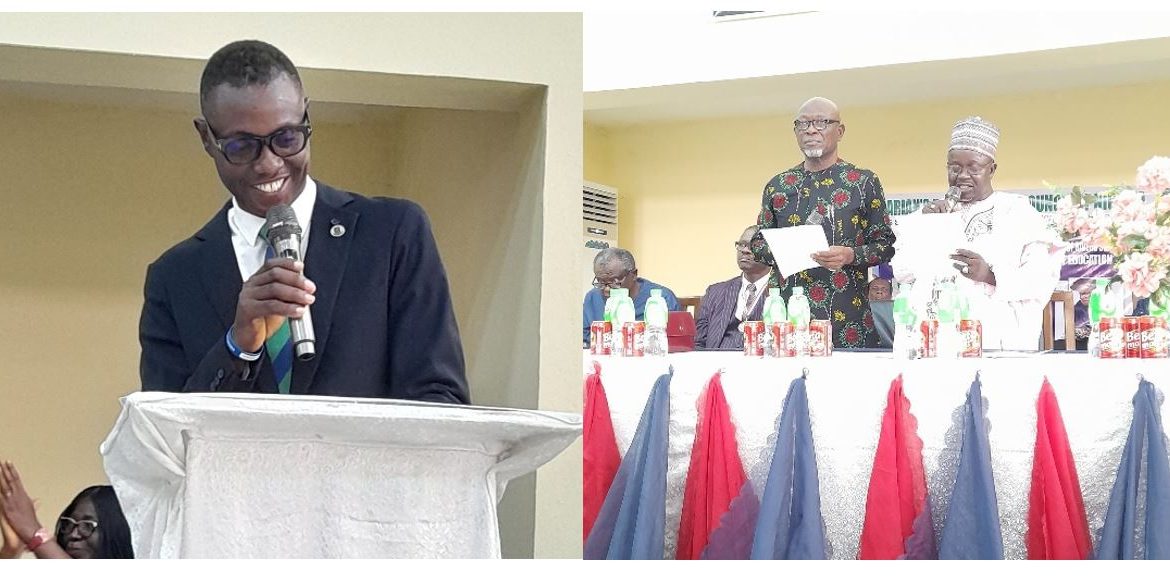
The Librarians’ Registration Council of Nigeria (LRCN) inducted 69 new certified librarians at the Rivers State University in Port Harcourt, who are graduates from both Rivers State University and Ignatius Ajuru University on Friday, 12th of July, 2024. This historic event marked a significant milestone for the library profession in the South-South region, bringing the total number of certified and registered librarians in Nigeria to 8,382.
Adding to the significance of the event, the President and Chairman of Council NIGERIAN LIBRARY ASSOCIATION declared that librarians will now use the title “Lbrn” as their professional designation, similar to other professional associations in Nigeria. Therefore, the President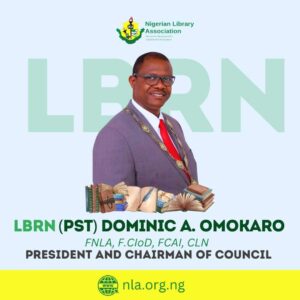 will now be addressed as Lbrn (Pastor) Dominic Omokaro, FNLA, F.CIoD, FCAI, CLN.
As the new Lbrns embark on their careers, they carry with them the responsibility of upholding the highest standards of the profession. With the LRCN’s rigorous accreditation and the NLA’s guidance, these young professionals are poised to make valuable contributions to their communities and the nation as a whole.
The induction ceremony was well attended by the leadership of the Rivers State University, Librarians’ Registration Council of Nigeria (LRCN), the national and state leadership of the Nigeria Library Association, lectures from the Rivers State University and Ignatius Ajuru University of Education, the inductees, students, parents, and members of the pen profession.
“BusinessDay gathered that in the US, Librarians are paid a minimum of $55,000 (N85m) per year, but the status of a librarian starts from Master’s Degree…” 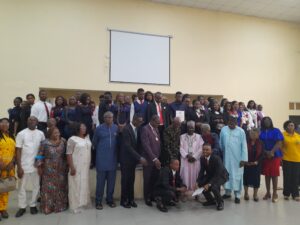
Congratulations to the newly Certified Librarians as they step into ‘librarianship’.
Detecting AI Content may get better with OpenAI’s Watermarking Feature
Unlike when OpenAI first released ChatGPT3, its actually now encouraging to see AI developers taking steps towards improved transparency, just like the recent update of OpenAI’s development of a text watermarking method to detect AI-generated content. The report claims that the new watermarking tool is 99.9% effective at identifying ChatGPT’s output, but OpenAI has yet to release it. However, we can learn more about the report here: OpenAI has built a text watermarking method to detect ChatGPT-written content — company has mulled its release over the past year.
My concern though, is about the part that mentioned that a professor once failed an entire class after their AI detection tool incorrectly flagged all student papers as AI-generated. Let us not forget that there are past cases of where AI Detection tools like TurnitIn and GPTzero have given an unfair judgement about contents generated with AI.
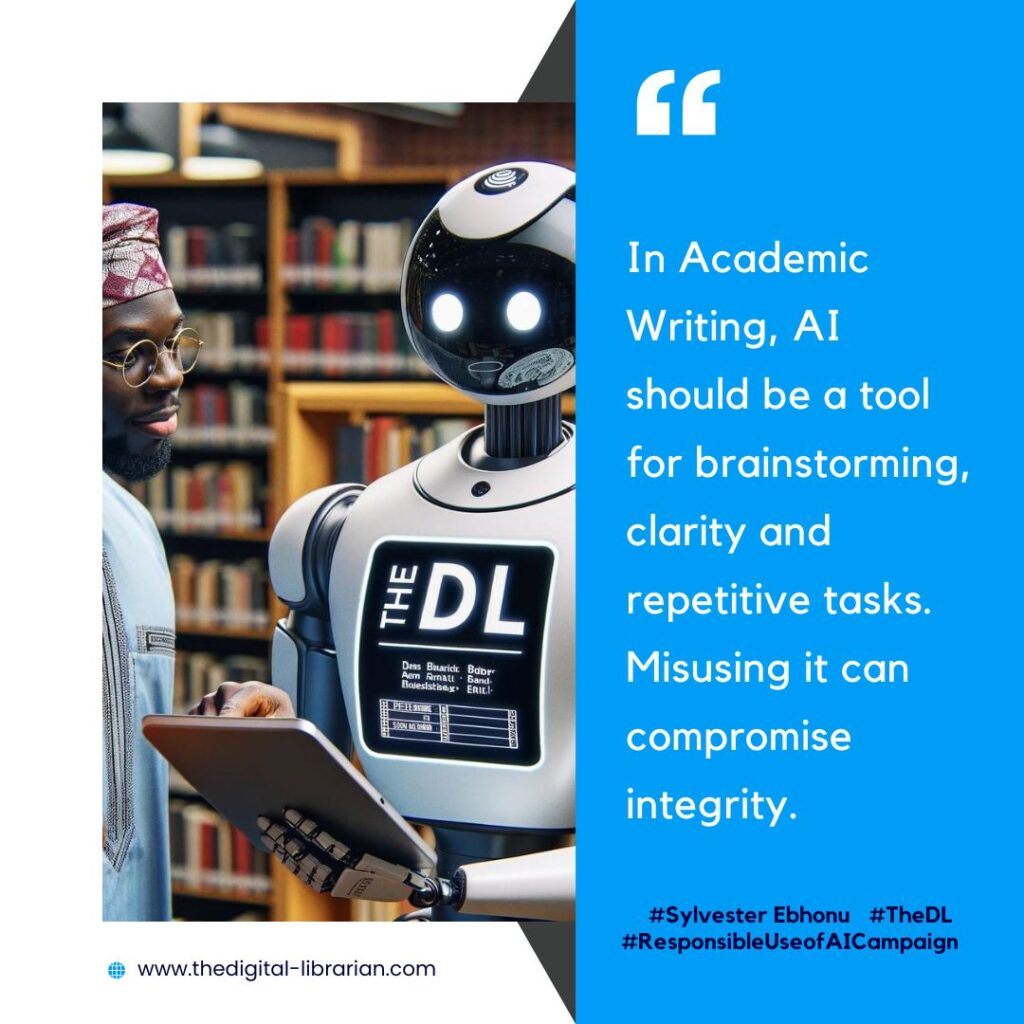
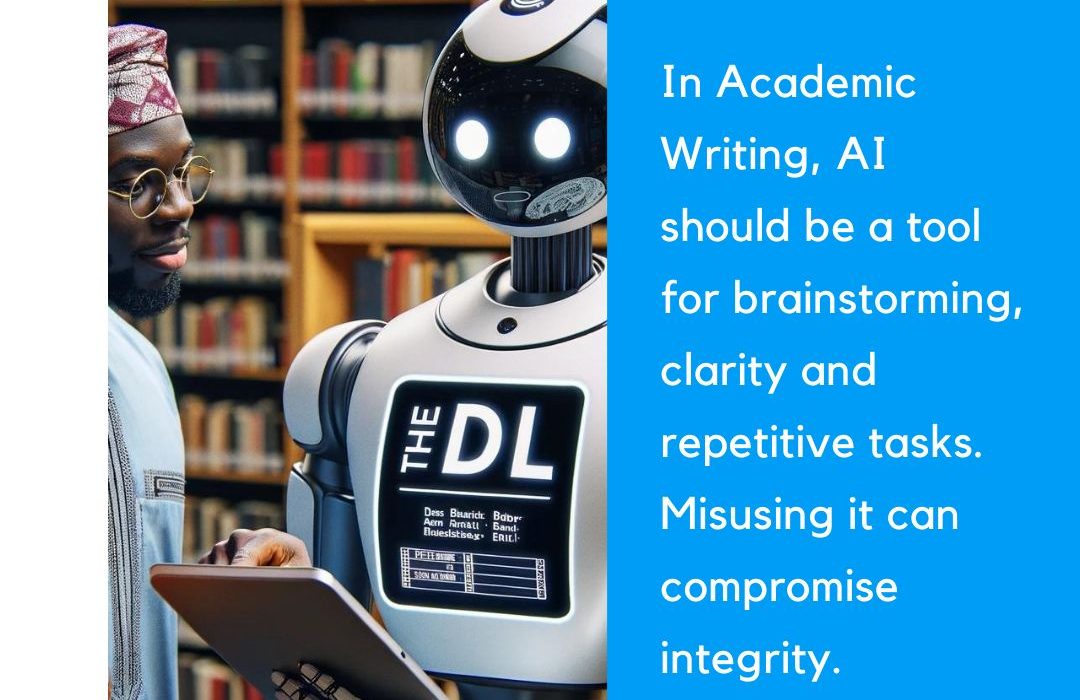
So, as this new-found love by many students and scholars (AI Technology) continues to evolve, we must all take care, especially Librarians. Library and Information Professionals should be at the forefront of AI Literacy. Let us not stop teaching our students and library users the implications of not using AI responsibly.
Over here, we’re still promoting the #ResponsibleUseofAICampiagn. Reach out, and we’ll implement the Responsible Use of AI Webinar at your Institution, for your Staff/Students.